Logo avayabcm.com
© 2026 AVAYABCM.COM Media, Inc. — All rights reserved. Icons © AVAYABCM.COM and respective licensors.
Reg / VAT: ΗΕ 482872

Journal About Structured Settlement Guide

Journal About Structured Settlement Guide

Author: Sylvia Kyriakou;

Source: avayabcm.com

Welcome to Structured Settlement Guide — a place where structured settlements become clear, practical, and easier to understand. Here, we break down annuities, payment schedules, tax rules, and buyout options in a structured way, helping you make informed decisions about long-term financial security.

You’ll find in-depth explanations, step-by-step guides, and detailed comparisons covering topics such as how structured settlements work, payment options vs lump sum payouts, present value calculations, interest and discount rates, and how the buyout process works. We also explain tax treatment, court approval requirements, beneficiary rights, and what happens in cases involving divorce, death benefits, or guardianship.

Whether your settlement comes from a personal injury case, workers’ compensation, or wrongful death claim, this platform is designed to help you understand your options clearly — from keeping payments for stable income to evaluating liquidity strategies and partial buyouts. Explore the details and feel more confident navigating structured settlement decisions with clarity and control.


Empty American courtroom interior with wooden judge bench, stacks of legal documents on desk, and chairs for hearing participants
How to Prepare for Your Structured Settlement Transfer Hearing
Mar 05, 2026
/
17 MIN
When selling structured settlement payments, court approval is mandatory. This guide explains the hearing process, what judges evaluate, required preparation steps, common denial reasons, and what to expect during your appearance before the judge
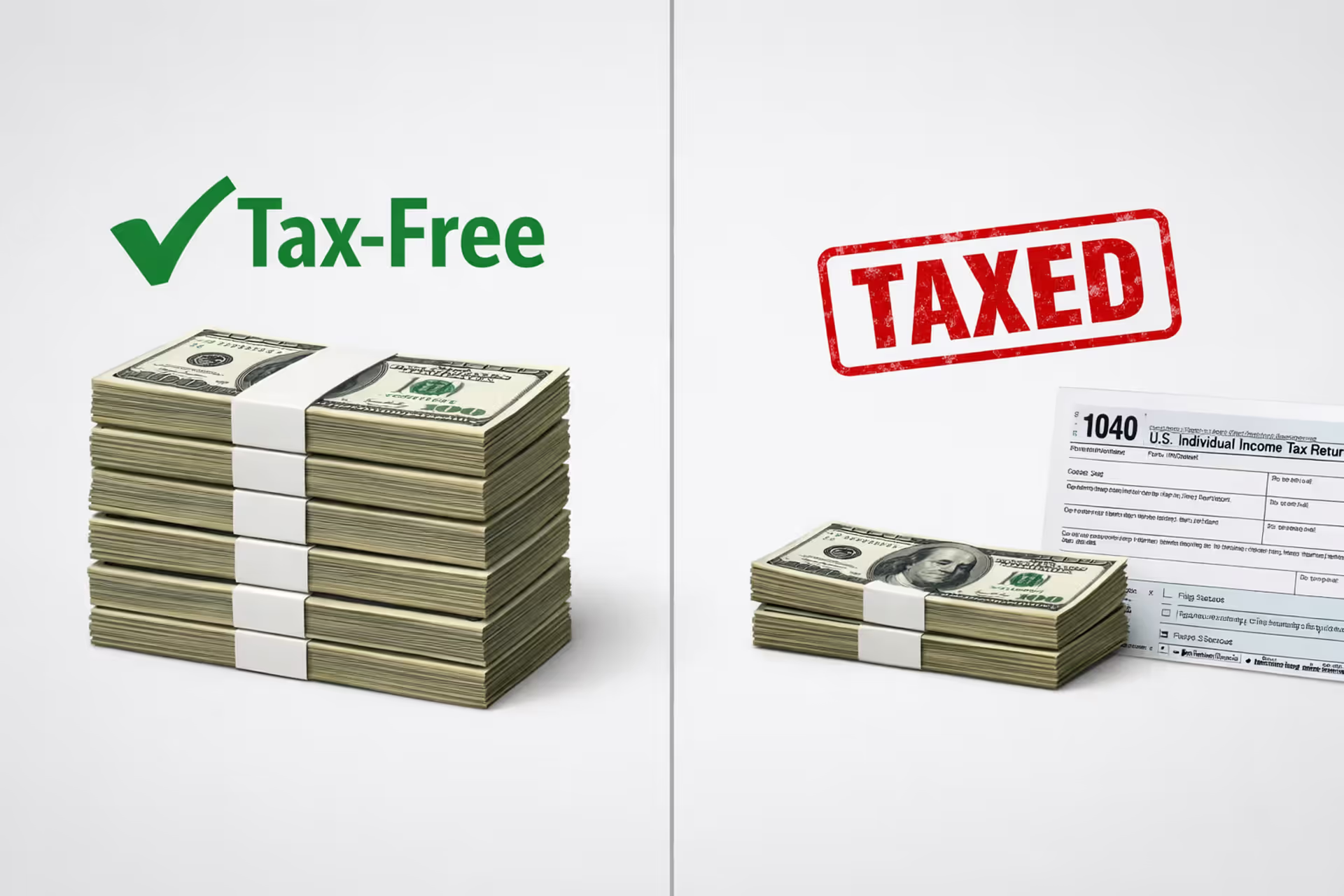
Split image showing tax-free structured settlement payments on the left versus taxed lump sum from selling settlement on the right with IRS Form 1040
Structured Settlement Tax Implications Before Selling
Mar 06, 2026
/
17 MIN
Selling structured settlement payments converts tax-free income into taxable income. Most sellers face ordinary income tax rates of 10-37% on the full lump sum received, with no deduction for the buyer's discount. Strategic timing and understanding reporting requirements can minimize tax liability
Calculator, financial documents, laptop with percentage rate charts, and dollar bills on an office desk — structured settlement pricing concept
What Factors Affect Structured Settlement Pricing When You Sell
Mar 05, 2026
/
12 MIN
Understanding structured settlement pricing factors can mean the difference between a fair offer and leaving thousands on the table. Seven key elements—discount rates, payment timing, market conditions, credit profile, state regulations, insurance ratings, and common mistakes—determine your cash value
Desk with legal settlement documents, financial charts, calculator, pen, glasses, and scales of justice in background
Structured Settlement Annuity Taxation Guide to Tax-Free Payments
Mar 05, 2026
/
15 MIN
Most structured settlement payments from physical injury cases are completely tax-free under IRC Section 104(a)(2). But small mistakes in structuring can turn tax-free income into taxable income. This guide explains which settlements escape taxation, common errors that trigger tax bills, and planning strategies
Family silhouette of mother with two children facing sunset with legal settlement documents on a table in the foreground
Wrongful Death Structured Settlement Guide for Families
Mar 05, 2026
/
15 MIN
A wrongful death structured settlement converts compensation into scheduled payments over time instead of a single lump sum. This comprehensive guide explains how annuity-based payment plans work, tax benefits under IRC 104(a)(2), common planning mistakes, and who should consider structured payments versus lump sums

Featured

Top-down view of a desk with two documents comparing a single large cash stack versus a row of smaller equal cash stacks, pen and calculator between them
How Structured Settlement Payments Work Over Time
Mar 04, 2026
/
18 MIN
Structured settlements replace one-time payouts with scheduled payments over years or decades. Understanding how these arrangements are calculated, funded through annuities, and protected by state guaranty associations helps you make informed decisions about accepting periodic payments versus lump sums
Split image showing tax-free structured settlement payments on the left versus taxed lump sum from selling settlement on the right with IRS Form 1040
Structured Settlement Tax Implications Before Selling
Mar 06, 2026
/
17 MIN
Selling structured settlement payments converts tax-free income into taxable income. Most sellers face ordinary income tax rates of 10-37% on the full lump sum received, with no deduction for the buyer's discount. Strategic timing and understanding reporting requirements can minimize tax liability
Parent sitting at kitchen table reviewing legal settlement documents with a check, children’s room visible in background
Structured Settlement for Minors Guide for Parents
Mar 05, 2026
/
19 MIN
When a child receives injury compensation, courts require specific safeguards. Structured settlements convert lump sums into scheduled payments over years or decades, protecting funds from mismanagement while providing income at critical life stages with complete tax exemption and creditor protection
Person’s hand hesitating between a single large settlement check and a structured payment schedule document on a law office conference table
Personal Injury Structured Settlement Guide to Payments, Taxes, Benefits
Mar 05, 2026
/
25 MIN
After winning a personal injury case, you must choose between a lump sum or structured payments over time. This decision affects taxes, long-term security, and medical expense coverage. Structured settlements offer tax-free growth and guaranteed income but limit flexibility
Financial documents, calculator, pen and stack of dollar bills on a desk with a cash flow chart, top-down view
Structured Settlement Lump Sum Guide
Mar 05, 2026
/
20 MIN
Converting structured settlement payments requires understanding discount rates, court approval, and true costs. This guide covers partial buyouts, choosing factoring companies, tax implications, and step-by-step planning to maximize value while avoiding common mistakes that cost recipients thousands

Hot

Top-down view of a financial planner desk with laptop showing portfolio growth charts, payment envelopes, calculator, notebook, and coffee cup in warm daylight
How to Build Wealth Through Structured Settlement Investing
Mar 05, 2026
/
19 MIN
Structured settlement payments create unique investment opportunities. Learn how to leverage guaranteed income streams to build additional wealth through strategic portfolio allocation, tax-efficient planning, and risk management—without selling your settlement rights for a lump sum discount
Structured settlement agreement document on office desk with calculator and growing coin stacks representing periodic payments
How Structured Settlements Work From Negotiation to Payment
Mar 04, 2026
/
16 MIN
When you settle a personal injury lawsuit, accepting a structured settlement means agreeing to receive compensation over time instead of in one lump sum. The process involves multiple parties, legal safeguards, and a specialized annuity that guarantees future payments
Financial documents, calculator, pen and stack of dollar bills on a desk with a cash flow chart, top-down view
Structured Settlement Lump Sum Guide
Mar 05, 2026
/
20 MIN
Converting structured settlement payments requires understanding discount rates, court approval, and true costs. This guide covers partial buyouts, choosing factoring companies, tax implications, and step-by-step planning to maximize value while avoiding common mistakes that cost recipients thousands
Professional desk with legal settlement documents, gavel, calculator, and IRS tax form in a courtroom setting
Structured Settlement Legal Requirements You Need to Follow
Mar 05, 2026
/
25 MIN
Structured settlements involve complex legal requirements spanning federal tax code provisions and state consumer protection laws. Understanding IRC Section 104(a)(2) tax exclusion rules, qualified assignment standards under IRC 130, and state-level transfer restrictions is essential for compliance
Locked stack of dollar bills with heavy chain and padlock, judge gavel and legal documents in blurred background, concept of structured settlement liquidity restrictions
How to Evaluate Structured Settlement Liquidity Options Before Selling
Mar 05, 2026
/
21 MIN
Structured settlements provide guaranteed income, but urgent financial needs sometimes require immediate access to funds. Understanding your liquidity options—from full and partial sales to loans and court modifications—helps you navigate the complex landscape of costs, legal requirements, and strategic considerations

Fresh

Insurance company envelope with legal documents, calculator, and pen on wooden desk next to framed photo of elderly woman
Structured Settlement Beneficiary Rights Guide for Heirs and Designees
Mar 05, 2026
/
18 MIN
When you inherit structured settlement payments, you gain specific legal rights and protections that differ from typical inheritance. This guide explains who qualifies as a beneficiary, how to claim payments after the annuitant's death, legal protections under federal and state law, and common mistakes to avoid
Professional desk with legal settlement documents, gavel, calculator, and IRS tax form in a courtroom setting
Structured Settlement Legal Requirements You Need to Follow
Mar 05, 2026
/
25 MIN
Structured settlements involve complex legal requirements spanning federal tax code provisions and state consumer protection laws. Understanding IRC Section 104(a)(2) tax exclusion rules, qualified assignment standards under IRC 130, and state-level transfer restrictions is essential for compliance
Legal documents with payment schedule, calculator and glass protective shield on office desk representing structured settlement financial protection
Structured Settlement Risk Management Guide to Protecting Your Payments
Mar 05, 2026
/
18 MIN
Structured settlements provide guaranteed income but carry specific risks requiring active management. Understanding issuer default risk, inflation erosion, liquidity constraints, and beneficiary gaps helps protect your long-term financial security through proper planning and regular reviews
Settlement documents, IRS tax forms, calculator, and scales of justice on a professional desk — structured settlement tax deduction concept
Structured Settlement Tax Deductions Guide for Recipients and Payers
Mar 06, 2026
/
19 MIN
Structured settlements offer predictable income streams, but their tax treatment remains one of the most misunderstood aspects of personal injury and liability cases. Whether you're receiving payments or making them, understanding the nuanced rules around structured settlement tax deductions can save thousands of dollars.
Calculator, financial documents, laptop with percentage rate charts, and dollar bills on an office desk — structured settlement pricing concept
What Factors Affect Structured Settlement Pricing When You Sell
Mar 05, 2026
/
12 MIN
Understanding structured settlement pricing factors can mean the difference between a fair offer and leaving thousands on the table. Seven key elements—discount rates, payment timing, market conditions, credit profile, state regulations, insurance ratings, and common mistakes—determine your cash value
disclaimer

The content on this website is provided for general informational and educational purposes only. It is intended to offer guidance on structured settlement topics, including payment options, annuities, taxation, buyouts, transfer rules, financial planning strategies, and related legal and financial matters, and should not be considered legal, financial, tax, or investment advice.

All information, articles, explanations, and discussions presented on this website are for general informational purposes only. Structured settlement terms, annuity contracts, tax treatment, court approval requirements, interest rates, discount rates, and state transfer laws vary depending on jurisdiction, individual agreements, and specific circumstances. The value of structured settlement payments or buyout offers depends on multiple factors, including payment schedules, life expectancy assumptions, market conditions, and contractual terms.

This website is not responsible for any errors or omissions in the content, or for actions taken based on the information provided. Reading this website does not create a professional-client relationship. Readers are strongly encouraged to consult with a qualified attorney, tax advisor, or financial professional regarding their specific structured settlement agreement or financial decisions.